Spring Cat Embroidery Design Review
A First Look at Spring Cat
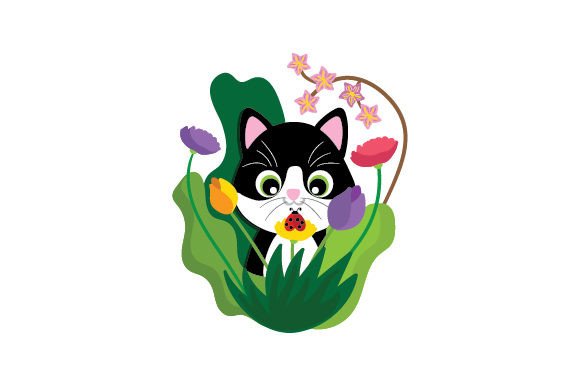
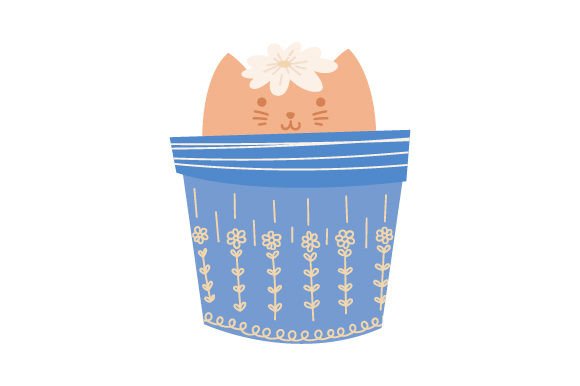
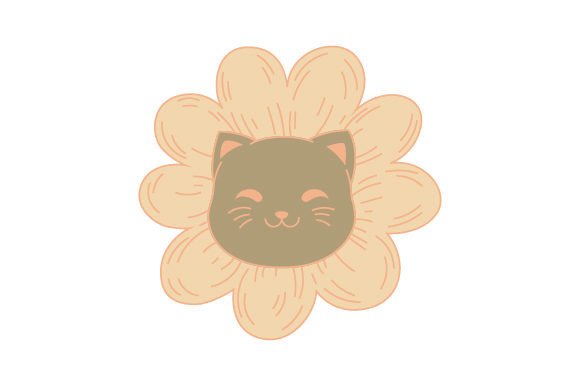
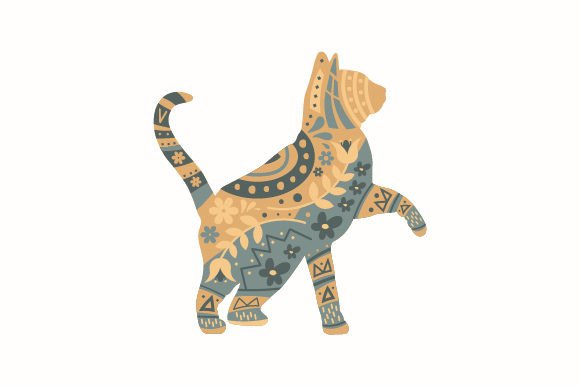
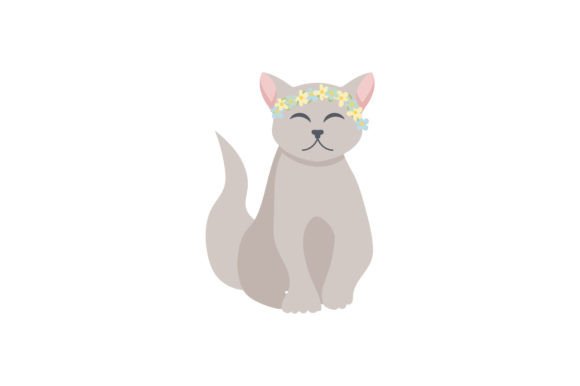
When I first opened the Spring Cat embroidery design file, I was immediately drawn to its playful yet refined aesthetic. The design carries a gentle, whimsical mood that feels perfect for springtime projects. The cat is stylized with soft curves and expressive eyes, giving it a friendly and approachable personality. Its layout is balanced, with enough detail to be engaging without overwhelming the eye. This makes it ideal for a range of embroidery projects, from personalized gifts to boutique merchandise.
The visual personality of Spring Cat suggests it would work well on lighter, breathable fabrics like cotton or linen. It has a subtle charm that could easily complement a variety of themes—whether you're designing for a baby’s onesie, a tote bag, or even a holiday gift. The level of detail is just right: not too intricate for casual use, but still rich enough to feel handcrafted and intentional.
Real-Life Use: Custom Embroidered Tote Bag
Let’s imagine using Spring Cat on a custom embroidered tote bag. As a designer, I’d start by considering the fabric choice. A medium-weight cotton canvas would provide good stability and show off the design's colors and texture. I'd also think about how the cat's placement would affect the overall look. Centering it on the front of the tote would make it a focal point, while positioning it near the handles could add a charming touch.
One thing I’d check before proceeding is the stitch density. If the design has dense areas, especially around the cat’s face or paws, I’d want to ensure the fabric can handle the pressure without puckering. Using a stabilizer underneath would help maintain the integrity of the embroidery and prevent distortion.
Thread color contrast is another important factor. The design comes in multiple formats, including transparent PNG, which means I can experiment with different thread palettes. For a tote bag, I might choose pastel shades that match the season, or go bold with bright colors for a more vibrant look. Testing the design on scrap fabric first is always a good idea to see how the stitches will lay and if any adjustments are needed.
Where Spring Cat Shines
Spring Cat is versatile enough to suit a wide array of projects. Here are some of the best uses I can see:
- Custom Apparel: Sweatshirts, t-shirts, and caps where the design adds a touch of personality without being too busy.
- Baby Items: Onesies, bibs, or blankets that need a gentle, cute motif.
- Patches: Whether sewn onto jackets or used as standalone accessories, this design works well as an embroidered patch.
- Home Decor: Pillow covers, tea towels, or aprons where the cat can become a charming decorative element.
- Gifts: Personalized items like keychains, mugs, or greeting cards that can be sold online or given as handmade presents.
For Etsy sellers or small shop owners, Spring Cat could be a great addition to a collection of seasonal designs. Its clean lines and appealing character make it suitable for both personal and commercial embroidery projects.
Cautions and Considerations
While Spring Cat is a strong design, there are a few situations where it may require extra care. For instance, when working with small hoop sizes, I’d recommend simplifying the design or adjusting the stitch count to avoid overcrowding the space. On stretchy fabrics like knits or jerseys, using a stabilizer becomes even more critical to prevent shifting during stitching.
Another consideration is fabric texture. If the project involves a burlap or felt surface, the cat’s details may appear differently than on smooth cotton. Testing the design on the intended fabric is essential to ensure the final look meets expectations. Additionally, dark-colored fabrics may require thread color adjustments to maintain visibility and clarity.
If the design is going to be used on curved surfaces like caps or hats, I’d review the layout carefully to ensure the cat doesn’t get distorted. In such cases, adjusting the stitch direction or using a different stitch type like running stitch could help preserve the shape.
Design Notes for Embroidery Professionals
Before using Spring Cat in any project, here are a few practical steps I recommend:
- Test on Scrap Fabric: Always test the design on a sample piece of fabric to see how it looks and feels after stitching.
- Check Thread Contrast: Ensure the chosen thread colors provide enough contrast against the fabric background.
- Review Stitch Density: Avoid overloading the fabric with too many stitches, especially on delicate or thin materials.
- Confirm Hoop Size: Make sure the design fits within your available hoop size, or adjust accordingly.
- Inspect Small Details: Zoom in on the design to check for any tiny elements that may be lost during embroidery.
- Test in Black and White: This helps evaluate the design’s structure and clarity without color distractions.
- Use Proper Stabilizer: Especially important for stretchy or textured fabrics to maintain the design’s integrity.
- Confirm Licensing: Before selling finished products or digital versions, verify that the design is properly licensed for commercial use.
By following these steps, you’ll ensure that Spring Cat looks its best and performs well in real-world embroidery applications. Whether you're creating a handmade product for your own use or preparing a new listing for your Etsy shop, taking the time to prepare and test will pay off in the quality of the final result.
Final Thoughts
Spring Cat is a delightful embroidery design that brings a sense of joy and warmth to any project it graces. Its versatility, clean aesthetic, and thoughtful detailing make it a valuable asset for designers, crafters, and small business owners alike. With careful planning and preparation, it can elevate everything from custom apparel to boutique merchandise. Just remember to take the time to test, adjust, and ensure the design fits the intended use—because a great design is only as good as how it translates into the finished product.